
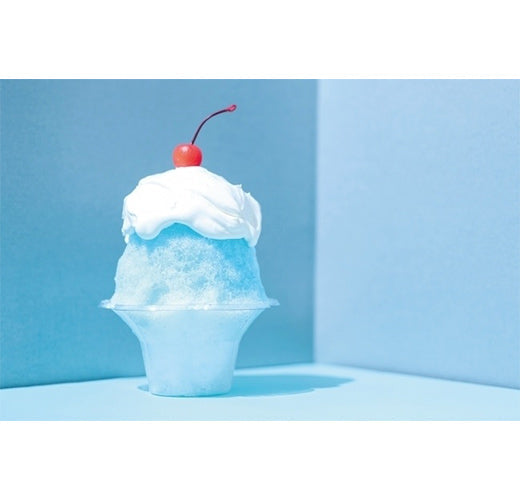
The Best Toppings for Kakigori
in short
- Syrups first: Strawberry, lemon, matcha, melon. Pour generously so every layer of ice is flavored.
- Add milk: Condensed milk or unsweetened milk transforms the texture and rounds out sweetness.
- Fresh fruit: Strawberries, mango, citrus, placed both inside and on top for contrast.
- Classic toppings: Azuki red bean paste and shiratama mochi are the traditional standard.
- Layer it: The best kakigori is built in layers: topping, ice, topping, ice. Not just piled on top.

A bowl of kakigori without toppings is like a bowl of ramen without the broth: technically there, but missing the point entirely. The ice is the canvas. What you put on it, and how you put it on, is what makes one kakigori forgettable and another genuinely worth going back for.
Syrup: the non-negotiable base
No topping matters more than the syrup, and no mistake is more common than under-pouring it. Kakigori ice is dense enough to absorb a lot of liquid without collapsing. You want flavor in every spoonful, not just on the surface. Pour in two stages: once on the first half of the shaved ice, then again over the completed mound.
The classic festival flavors are strawberry, lemon, melon, and blue hawaii. At more serious kakigori shops, you will find matcha, yuzu, hojicha, and single-origin fruit syrups made from seasonal produce. Our full syrup range covers both ends of that spectrum.

Milk: the texture shift
Pouring milk over kakigori changes the experience significantly. Unsweetened condensed milk is the standard: it adds richness without competing with the syrup flavor, and it binds the shaved ice into a slightly denser texture that holds together better. Sweetened condensed milk works well with more assertive flavors like matcha or hojicha where a sugary counterpoint makes sense.
For a dairy-free alternative, oat milk and coconut milk both work. Coconut in particular pairs well with tropical fruit syrups.
Traditional Japanese toppings
Two toppings define classic kakigori: azuki red bean paste (anko) and shiratama mochi balls. The anko brings a dense, earthy sweetness that contrasts with the light ice. The shiratama adds chew: that textural contrast is part of what makes kakigori satisfying rather than just refreshing. Both are typically buried within the ice as well as placed on top, so you encounter them throughout the bowl rather than only at the end.

Find both in our toppings collection.
Fresh fruit
Fruit works best when it is ripe and cut small enough to eat in a single spoonful alongside the ice. Strawberries are the default. Mango, white peach, and citrus segments work particularly well with lighter syrups. The fruit should complement the syrup flavor, not contradict it.
How to layer properly
The difference between a well-built kakigori and a mediocre one often comes down to sequencing. Start with a small amount of anko or other heavy topping in the base of the cup. Add the first layer of shaved ice. Pour syrup. Add another layer of ice. Add toppings. Pour syrup again. The final presentation can include a few shiratama on top and a last drizzle of milk or kuromitsu black sugar syrup.
This approach means every spoonful from bottom to top contains something: no dry plain ice at the bottom, no topping pile sitting unused at the end.
Ready to build your setup? Start with the right machine, pick your syrups, and complete the bowl with our toppings and serving cups.